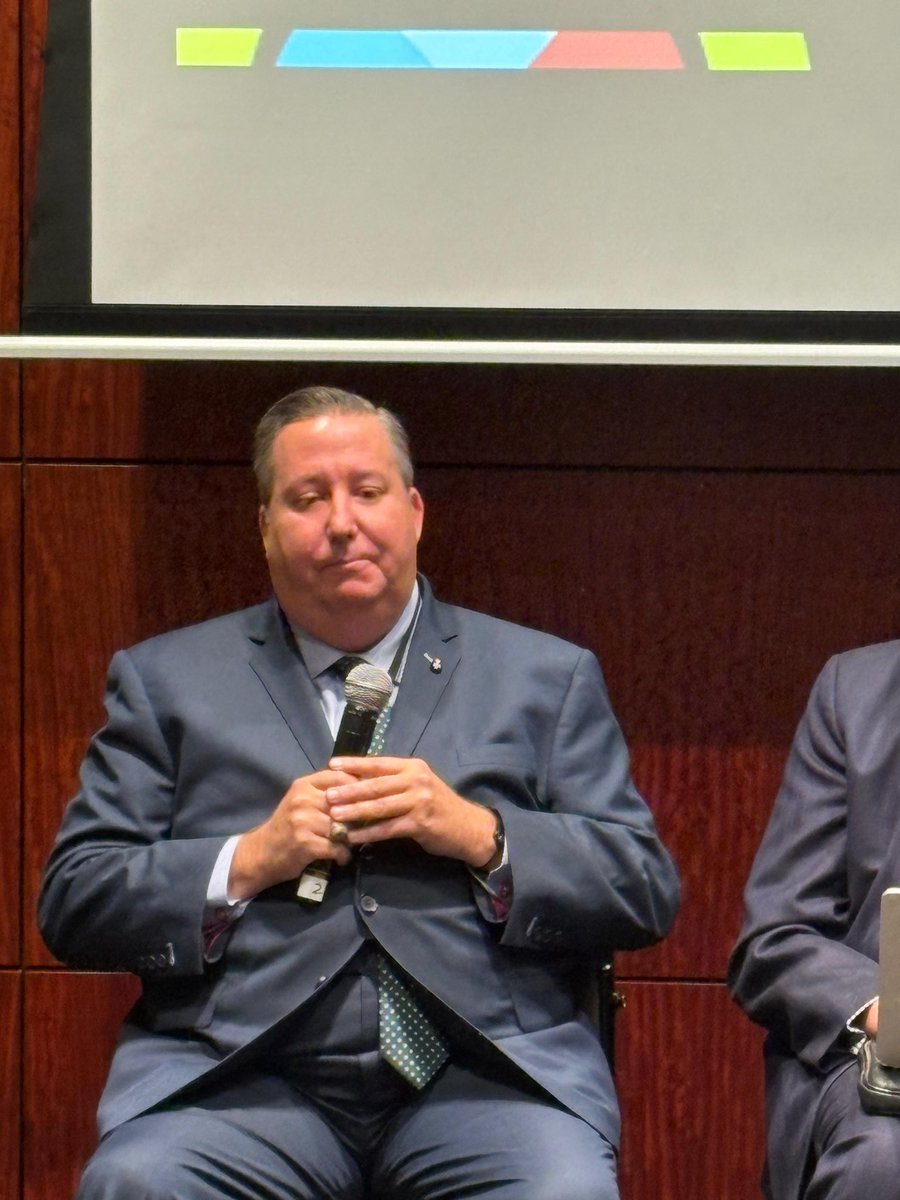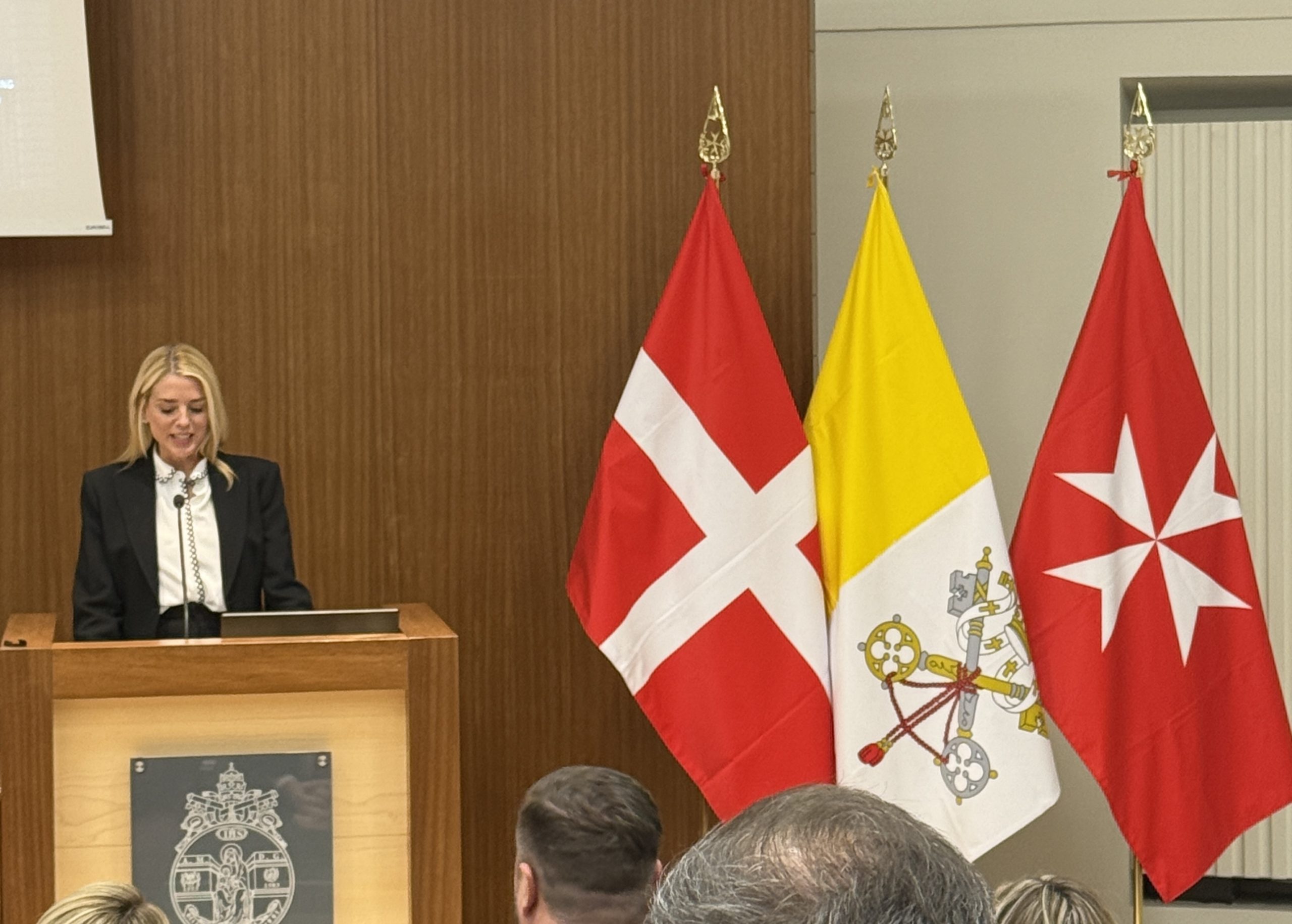
At the G20 Interfaith Forum 2025, held in Cape Town, Ambassador Michael P. Murphy, KM, representing the Permanent Mission of the Sovereign Order of Malta to the African Union, delivered a compelling address on the indispensable role of interfaith cooperation in building peace, strengthening health systems, and fostering resilience across Africa.
Speaking on behalf of the Sovereign Order of Malta and its humanitarian arm, Malteser International, Ambassador Murphy commended Africa’s religious leaders and faith-based networks for their enduring contributions to humanitarian action. He underscored that these partnerships, grounded in trust, moral authority, and cultural understanding, are not peripheral but central to the continent’s development agenda—especially as the African Union now takes its seat at the G20.
Faith Networks as First and Last Responders
The Order of Malta has been engaged in Africa for decades, with active work in South Sudan, Nigeria, Cameroon, and the Democratic Republic of Congo. Through Malteser International, the Order partners with Christian, Muslim, and traditional faith communities as co-creators of humanitarian solutions.
Ambassador Murphy highlighted examples such as women-led trauma healing and nutrition programs in South Sudan, and interfaith initiatives in Nigeria and the Lake Chad Basin where imams and pastors work together to foster social cohesion in areas affected by extremism.
“Faith actors are often the first and the last responders in a crisis—their trust and reach are irreplaceable,” Ambassador Murphy noted.
Public Health Grounded in Trust
Drawing on the Order’s experience in addressing HIV/AIDS, Ebola, cholera, and COVID-19, the Ambassador stressed that public health strategies must be rooted in trusted community structures.
During COVID-19, faith-linked clinics and churches in Uganda and Kenya played a critical role in disseminating accurate information and encouraging vaccine uptake. In Ebola-affected areas, the Order helped reconcile religious burial traditions with public health measures—reducing tensions and saving lives.
Leveraging Diplomatic and Sovereign Capacity
Ambassador Murphy also underscored the Order’s unique position as both a Catholic religious order and a sovereign subject of international law. This status enables the Order to engage all parties in sensitive contexts and to forge partnerships that are often unavailable to traditional NGOs or faith-based actors alone.
With diplomatic relations in over 35 African countries, and Permanent Observer status at both the United Nations and the African Union, the Order uses its sovereignty to facilitate humanitarian access and foster interreligious and inter-institutional dialogue.
A Call to the G20
In closing, Ambassador Murphy urged G20 policymakers, faith leaders, and civil society to integrate interfaith cooperation into the core of Africa’s engagement with global governance:
“As the African Union takes its rightful seat at the G20, let us ensure that religious communities are recognised as essential partners in building peace, health, and resilience.”
Guided by tuitio fidei et obsequium pauperum—the defense of the faith and service to the poor—the Permanent Mission to the African Union stands ready to expand partnerships that serve Africa’s most vulnerable.